Counselling for trauma and PTSD in Burnaby and BC
Trauma does not have to be one identifiable event. A great deal of what behaves like trauma is an accumulation: a long stretch of circumstances where a particular response was necessary, and which ended without the response going away.
People often arrive at this work sideways. They came about anxiety, or a relationship that keeps going wrong, or a temper that surprises them, and the history turns out to be relevant.
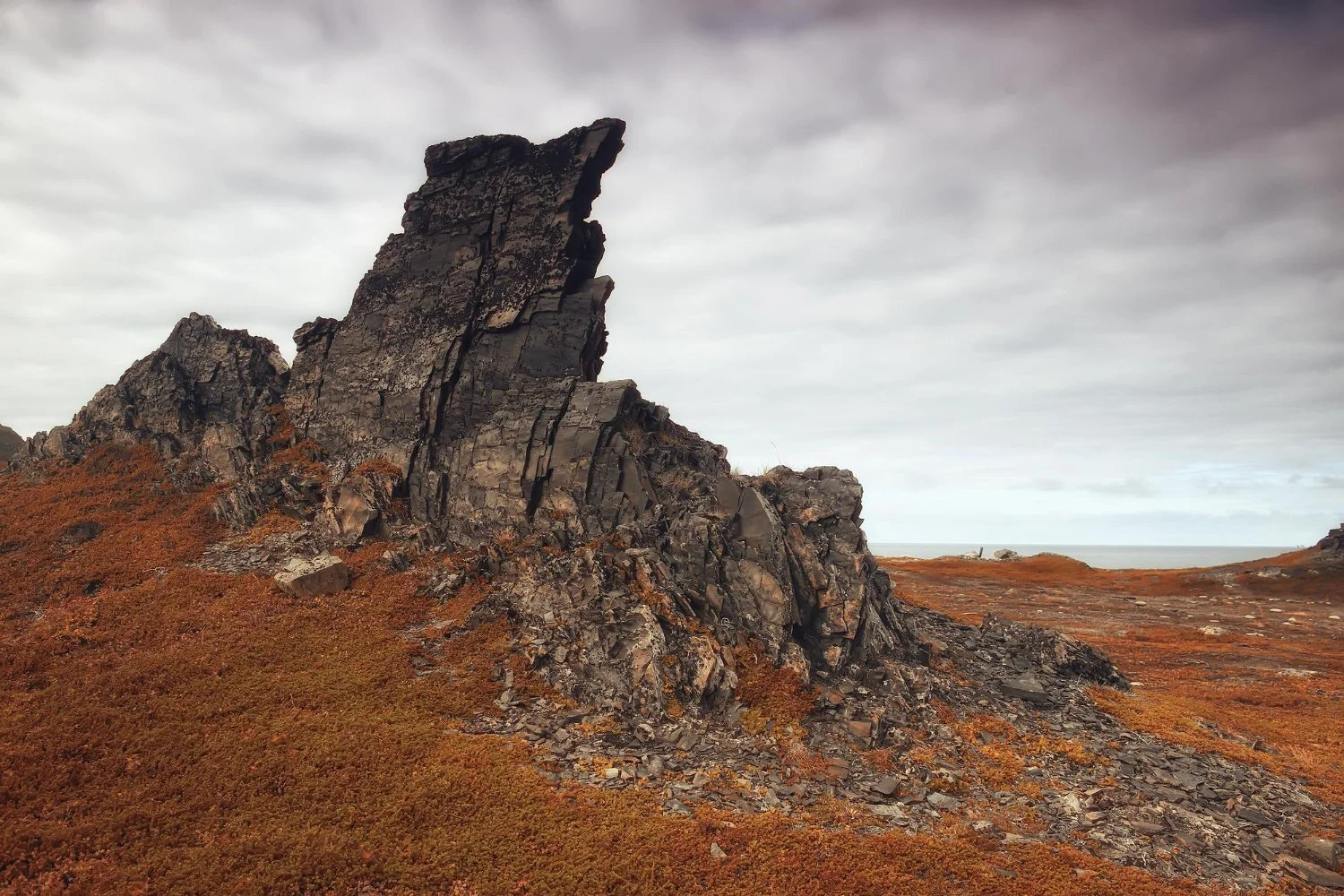
What trauma work is usually about
something that happened and has not stopped affecting the present
the same situation or relationship pattern repeating without an obvious reason
reactions that feel out of proportion to what triggered them
feeling detached, or noticing time missing
difficulty sleeping, or waking with the body already alert
anger that arrives faster than thought
avoiding places, people or conversations
recovering psychologically after a serious injury or medical event
childhood circumstances that made sense then and cause problems now
How I approach counselling for trauma
Rather than revisiting what happened for its own sake, the work we do is understanding what was learned, why that made sense in the circumstances, and what it is costing now that the circumstances have changed. Understanding why something happened is different from judging that it happened, and with this material in particular I work with a neutral lens on purpose.
Pace matters here more than anywhere else. Going faster than someone can tolerate is not thoroughness.
What that involves in practice depends on what is happening when you arrive. When emotion comes faster than you can handle it, the work is immediate and practical: what helps you ride it out, and what brings you back down afterwards. When it has gone the other way and you find yourself detached, it is about staying in the room and in your body long enough to notice what is going on. When a feeling keeps surfacing and seems out of proportion to the situation, we treat it as information about something rather than as a fault to be corrected. And when the same pattern keeps repeating, we follow it back to where it formed and what it was protecting.
Two things that come up more in trauma work than in any other
"It was not bad enough to count," and the comparison that produces it. People measure their own history against someone else's worse one and conclude theirs does not qualify. That comparison is the single most common reason someone waits years before bringing this to anyone. Prolonged and fairly ordinary circumstances produce the same effects as one severe event, and they get missed more often, because nothing about them ever looked like an event.
Reactions that have been called overreacting. A response that is out of proportion to today was usually in proportion to something. It was learned somewhere it was necessary, it worked, and it stayed on after the circumstances changed. Understanding what it was protecting gets further than arguing yourself out of it, and it is a more accurate account of what is actually happening.
Access and location
I want to be as accessible to my clients as possible. I offer sessions on weekdays and weekends as well as during the day and evening.
I see clients in person in Burnaby, a few minutes from Metrotown, and online anywhere in British Columbia. Sessions run 50 or 80 minutes, and I work in English and conversational Mandarin.
A limited number of sliding scale spaces are available. If cost is the thing standing in the way, raise it at the consultation and we will talk about it.
Questions people ask about counselling for trauma and PTSD
-
Not before you are ready, and not in detail for the work to be useful. A lot of trauma work is about the present-day effects rather than the account of the event.
-
That is common and it is not an obstacle. Patterns, reactions and physical responses carry information whether or not the memory is intact.
-
Yes. Prolonged circumstances, particularly in childhood, frequently produce the same effects as a discrete event, and are more often missed.
-
It can be uncomfortable, which is different from being harmful, and pace is something you control. If a session is heading somewhere you do not want to go today, saying so is part of the work rather than a setback.
Booking
I offer every new client a free 20-minute consultation, by phone or video, before anything is booked. It exists so you can hear how I work and decide whether it suits you, with no obligation either way.
Sessions run 50 or 80 minutes, in person in Burnaby or online anywhere in British Columbia, in English or conversational Mandarin.