Counselling for anxiety and depression in Burnaby and BC
Anxiety and low mood are the two most common reasons people look for a counsellor, and they rarely turn up on their own. Anxiety brings a racing mind and a body that will not settle. Low mood takes the interest out of things that used to carry some. Each one tends to make the other harder to shift.
Many people who look for counselling for this are managing. They are working or studying, holding their relationships together, and doing all of it with considerably more effort than it used to take.

What anxiety and depression look like
Anxiety is usually easier to notice in the body than in the mind, and the physical half is what people tend to describe first. Low mood is quieter and harder to put into words, which is part of why it tends to go unaddressed for longer. Most people arrive with some of both, and the list below runs roughly from the first to the second:
worry that runs continuously and attaches to whatever is nearest
a sense of dread that will not point to a cause
panic that arrives fast and is convincing about something being physically wrong
tension held in the chest, jaw, shoulders or stomach
a racing mind at night, or waking with the body already alert
tiredness that sleep does not resolve
trouble concentrating, and a short fuse that does not match the situation
avoiding situations, conversations or decisions, and the relief that follows
withdrawing from people, and then finding it harder to go back
losing interest in things that used to hold it, and motivation that has gone without an obvious reason
flatness, which is more difficult to describe than sadness
self-criticism that has settled into a habit of thought
a sense that this is simply your character rather than a state you are in
How I approach counselling for anxiety and depression
In almost every case the strength is already there and something is standing in front of it. My job is to help work out what that something is, understand how it got there, and remove it.
That shapes what we actually do. Managing symptoms matters, and it comes first when things are acute: getting sleep back, interrupting a panic cycle, making the week manageable. Underneath that there is usually a pattern with a history, and the more durable part of the work is understanding what that pattern was protecting and what it costs now.
My primary orientation is person-centred, which means the direction of the work is yours to set and my job is to follow it accurately rather than steer it. Within that, some of the work is practical and close to the present: the link between what you think, what you do and how you feel, and what shifts when one of the three moves.
Some of it is about handling emotion that arrives faster than thought, which is a skill rather than a disposition. And some of it is slower, following a pattern back to where it formed and working out what it was for. I bring a neutral lens to all of it. Understanding why something happened is a different exercise from judging that it happened.
When anxiety and low mood are recent, and when they have been there a long time
This distinction is worth making early, because it changes the work. Some anxiety and low mood is situational. It has a start date, a cause you can name, and it lifts as the circumstances change or as you get a grip on them.
Some of it is older. It began as a lesson learned early, in a setting where it was genuinely useful, and it hardened into a pattern that now causes problems in circumstances that no longer call for it. That version responds poorly to being managed week to week, and it is where most of my work sits.
Most people arrive somewhere between the two. Working out which one you are dealing with is often the first useful thing that happens.
Access and location
I want to be as accessible to my clients as possible. I offer sessions on weekdays and weekends as well as during the day and evening.
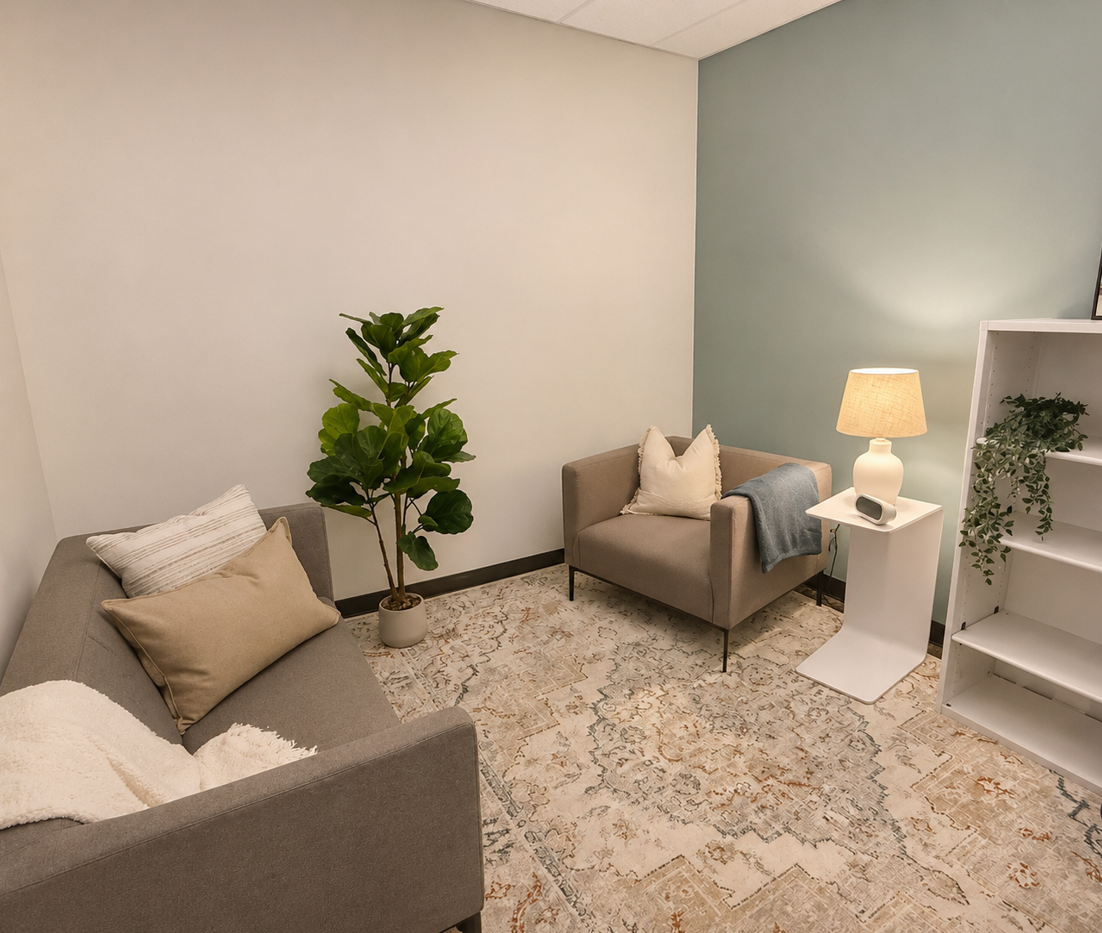
I see clients in person in Burnaby, a few minutes from Metrotown, and online anywhere in British Columbia. Sessions run 50 or 80 minutes, and I work in English and conversational Mandarin.
A limited number of sliding scale spaces are available. If cost is the thing standing in the way, raise it at the consultation and we will talk about it.
Questions couples ask about counselling for anxiety and depression
-
There is no threshold to meet. Most of the work I do is with ordinary difficulty that has stopped improving on its own.
-
No, and I do not provide one. If you already have a diagnosis, bring it, because it is useful information about what has already been ruled in or out.
-
It depends on whether we are working with something situational or something long-standing, and that is usually clearer after two or three sessions than it is before the first one.
-
That is what the consultation is for: twenty minutes, free of charge, and no obligation on either side.
Booking
I offer every new client a free 20-minute consultation, by phone or video, before anything is booked. It exists so you can hear how I work and decide whether it suits you, with no obligation either way.
Sessions run 50 or 80 minutes, in person in Burnaby or online anywhere in British Columbia, in English or conversational Mandarin.