Counselling for addiction and substance use in Burnaby and BC
Most people who look into counselling for drinking or drug use have not reached the point they imagine you have to reach before it counts. What they have noticed is that the use has changed. It used to be social, occasional or manageable, and something about that has shifted.
You do not need to have decided what you want to do about it before you start. Working that out is part of the work.

What substance use work is usually about
People seek counselling for additional and substance use for a variety of reasons. Some want to stop using altogether, while others want to reduce their use or understand how it is affecting their lives.
Common concerns include:
Drinking more alcohol than you intended or having trouble cutting back
Using cannabis every day and experiencing anxiety related to your use
Using stimulants and struggling with the effects when they wear off
Relying on alcohol or drugs to fall asleep or manage stress
Finding that your daily routines increasingly revolve around substance use
Having problems at work, school, or in relationships because of your substance use
Dealing with past experiences that have contributed to your use
Starting to use again after a period of stopping
Worrying about a family member's alcohol or drug use
How I approach counselling for addiction and substance use
Most of my work with substance use is built on the stages of change model. It describes change as a sequence of stages, each with its own work: not yet seeing the use as a problem, weighing it up, getting ready to act, making the change, keeping it going, and handling a return to use if one happens.
The first step is working out which stage you are in now. From there, the work is moving from that stage to the next one, with the skills that fit where you are. Someone still weighing it up needs something different from someone three months into stopping, so the sessions change as you move.
A return to use is part of the model, so we plan for it from the start. If it happens, we look at what led to it and what comes next, and the work carries on from there.
You set the goal. Some people come wanting to stop, some wanting to cut down, and some wanting to understand why it has become so important before they decide anything. Where the feeling underneath the use comes on fast, part of the work is practical: skills for riding out a craving and the emotion driving it. The aim throughout is getting you to a place where you have more control over your use.
Two common themes in substance use counselling
"I just need more willpower." Many people have spent years trying to cut back or stop using alcohol or drugs on their own. When those attempts haven't worked, they then blame themselves for lacking discipline. But wanting to change is rarely the problem. Counselling focuses on understanding what makes change difficult and working through the barriers that have kept previous attempts from succeeding.
Understanding why you use. Alcohol and drugs often serve a purpose in someone's life. You might drink to manage anxiety, use cannabis to fall asleep or rely on substances to avoid difficult feelings or memories. If those underlying issues remain, stopping or cutting back becomes harder. Counselling helps you understand what you're getting from substance use and find other ways to meet those needs.
Access and location
I want to be as accessible to my clients as possible. I offer sessions on weekdays and weekends as well as during the day and evening.
I work with young adults, and with family members of someone who is using.
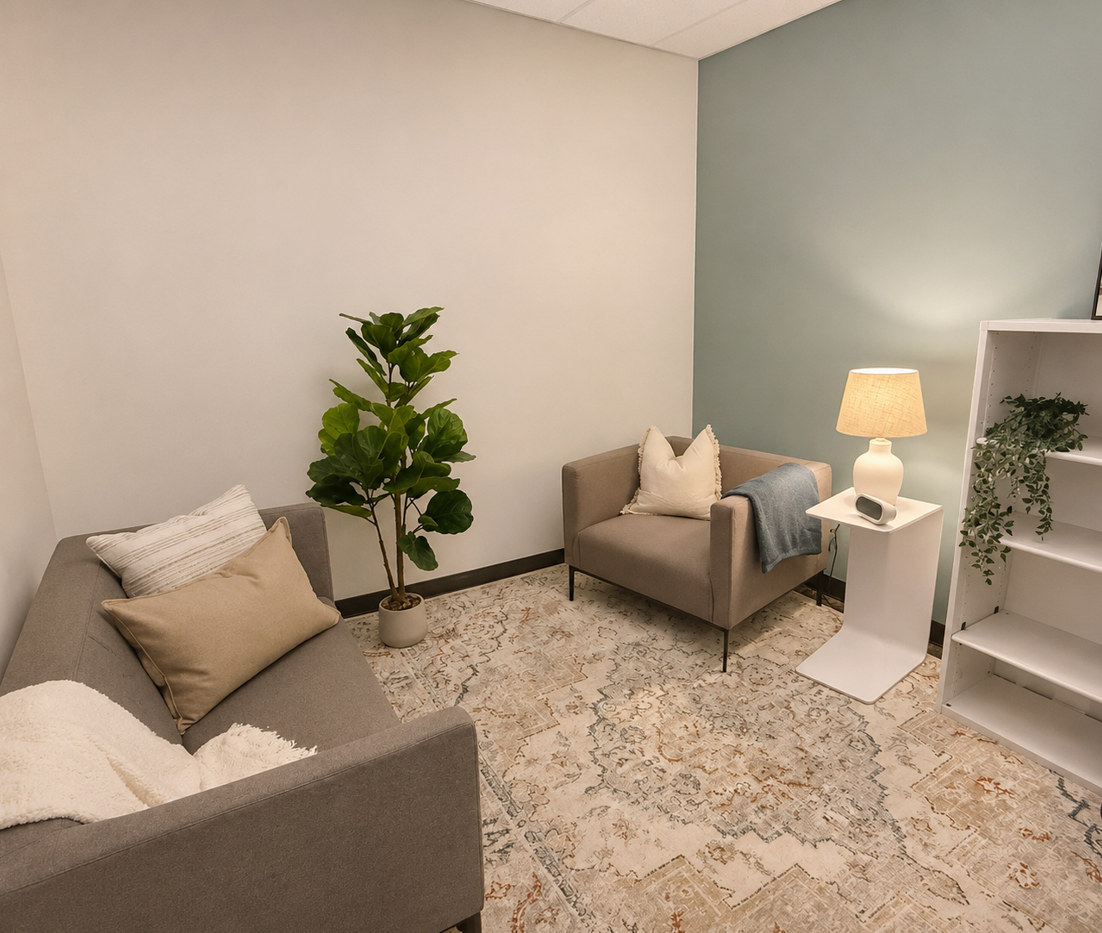
I see clients in person in Burnaby, a few minutes from Metrotown, and online anywhere in British Columbia. Sessions run 50 or 80 minutes, and I work in English and conversational Mandarin.
A limited number of sliding scale spaces are available. If cost is the thing standing in the way, raise it at the consultation and we will talk about it.
Questions people ask about counselling for addiction and substance use
-
No. Plenty of people start before they have decided anything, and the stages of change model expects that. Working out what you want is often the first piece of the work.
-
If it is taking up enough of your attention that you are reading this page, it is worth a conversation. There is no threshold you need to reach first.
-
That is common, and it is a stage the model plans for. What happened around the return is usually the most useful information we have.
-
No. Those are medical services. If that is what you need, I will say so at the consultation and point you toward the right one.
Get to know me
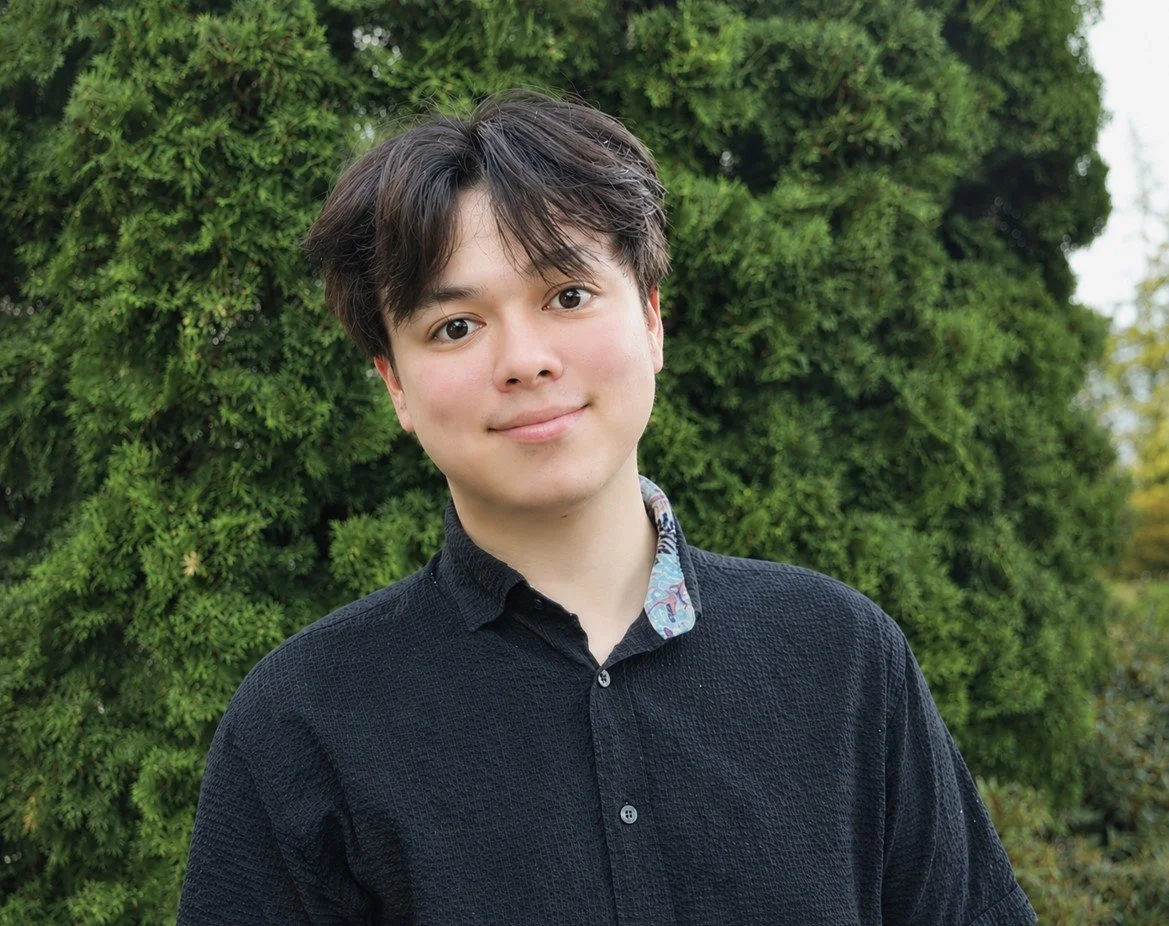
Hi, I’m Jordan.
I am a registered clinical counsellor (RCC) in Burnaby and Vancouver, working with teens, young adults, older adults, and couples.
Most of my work is with anxiety, low mood, stress, and life transitions. Where I go deepest is trauma, substance use, and the pressures particular to being a teen or young adult.
My starting point is that the strength to make a change is usually already there, and something is standing in front of it. My job is to help you find what that is and clear it, at a pace you set.
Booking
I offer every new client a free 20-minute consultation, by phone or video, before anything is booked. It exists so you can hear how I work and decide whether it suits you, with no obligation either way.
Sessions run 50 or 80 minutes, in person in Burnaby or online anywhere in British Columbia, in English or conversational Mandarin.